
Importance of Brand Awareness
When diving into the world of marketing, one fundamental concept stands out: brand awareness. It’s not merely a buzzword tossed around in board meetings; it’s the heartbeat of your business, a critical element that can make or break your success in the marketplace.

Why Brand Awareness is Crucial
When you visit a coffee shop, chances are you choose a familiar name like Starbucks rather than an unfamiliar café. This preference is rooted in brand awareness.
Brand awareness gives you visibility and credibility. When consumers recognize your brand, they’re more likely to trust you. You may find yourself in situations where friends and family recommend your product simply because they know your brand exists. Consider these key benefits:
- Trust Building: Consumers tend to purchase from brands they recognize.
- Reduced Perceived Risk: Familiarity breeds confidence, reducing purchase hesitation.
- Customer Loyalty: Well-known brands cultivate loyal followings, translating into repeat purchases.
With brand awareness, your marketing efforts become more effective. People will actually listen instead of hearing silence. The more aware consumers are of your brand, the easier it is to guide them through the sales funnel.
Impact of Strong Brand Awareness on Business Success
Strong brand awareness significantly contributes to overall business success. Imagine entering a room of potential partners or customers where your brand stands out like a beacon. Here are some impacts strong brand awareness delivers:
- Increased Sales: High-awareness companies typically enjoy higher sales compared to those without. Familiar brands are often customers’ first choice.
- Competitive Edge: In crowded markets, brand awareness differentiates you. Consider how Apple’s recognizable brand helps them maintain customers even when competitors offer advanced features.
- Cost-Effective Marketing: As your brand becomes recognized, marketing costs decrease. People talk about your brand, share it on social media, and recommend it—essentially doing your marketing for you.
Consider Nike. Their brand symbolizes athletic excellence, allowing premium pricing while maintaining a dedicated fan base. This demonstrates how strong brand awareness directly impacts profitability.
In conclusion, brand awareness is foundational for building trust, customer loyalty, and business success. By prioritizing brand awareness, you enhance market visibility and set your business up for long-term growth.
Understanding Your Target Audience
Now that you understand brand awareness importance, the next step involves understanding your target audience. Knowing whom you’re speaking to is paramount for creating effective marketing strategies that resonate. To do this, focus on two main areas: conducting market research and creating buyer personas.
Conducting Market Research
Market research isn’t just for large corporations; it’s a fundamental activity every business owner should prioritize. Imagine trying to navigate a new city without a map—that’s marketing without research.
Here are effective market research steps:
- Surveys and Questionnaires: Use tools like Google Forms or SurveyMonkey to gather direct data. Ask about preferences, dislikes, and buying behavior.
- Focus Groups: Organize small customer groups to discuss views on your product, service, or industry. This reveals valuable insights and unmet needs.
- Competitor Analysis: Look at competitor strategies. What are customers saying about their products? This reveals market gaps and opportunities.
- Social Media Listening: Monitor social platforms for relevant conversations. Tools like Hootsuite or Brandwatch help analyze real-time discussions.
By employing these methods, you’ll gather information needed to shape marketing strategies and make informed product decisions.
Creating Buyer Personas
Once you’ve conducted thorough market research, create buyer personas. Think of buyer personas as fictional characters representing audience segments. They provide clearer pictures of whom you’re reaching and guide your marketing messages.
Here’s how to create effective buyer personas:
- Identify Key Demographics: Start with basic information: age, gender, income, education, and location.
- Understand Behavioral Traits: Explore their interests, purchasing behaviors, and lifestyle choices. Ask:
- What problem does your product solve?
- What are their pain points?
- Where do they spend time online?
- Incorporate Real Data: Use gathered research data to fill personas. More specifics mean better personas.
- Give Them Backstory: Craft narratives including goals, motivations, and challenges. This gives depth and clarifies needs.
For example, “Gym Junkie Julie,” a 28-year-old health-conscious woman who spends time at the gym and follows fitness influencers on Instagram, represents a specific buyer persona.
[Template: Buyer persona card showing headshot icon, demographics (age/income/location), goals, pain points, challenges, platform preferences, and decision-making factors in organized visual format]
Creating buyer personas enables tailored marketing messages that speak directly to audience needs and desires.
Crafting Your Brand Identity
With solid audience understanding, focus on crafting your brand identity. Your brand identity extends beyond visual elements like logos; it encompasses the personality and message your brand communicates. We’ll explore two critical components: developing a unique brand voice and designing memorable logos and visuals.
Developing a Unique Brand Voice
Your brand voice is the tone and style you use communicating with your audience. It’s how you express your brand’s personality through words—whether in written content, social media, or customer interactions. Like someone you admire with a unique expression style, your brand should have that kind of voice.
Here are steps to develop your unique brand voice:
- Identify Your Brand’s Personality: Is your brand fun and playful, or serious and professional? This personality guides your communication style.
- Know Your Audience: Align brand voice with audience preferences. Young adult targeting? Use casual, relatable tones. Corporate audiences? Use formal approaches.
- Create a Voice Guide: Document brand voice guidelines: preferred vocabulary, tone standards (friendly, authoritative, witty), and examples. This ensures consistency.
- Use Real-World Examples: Study brands you admire. Nike uses motivational, empowering language resonating with athletes. How can you incorporate similar approaches?
Remember, consistent brand voice across platforms builds trust and familiarity.
Designing a Memorable Logo and Visuals
Your logo and visuals are often the first things people associate with your brand. Strong logos evoke emotion and recognition. Think about Apple or Nike—their logos are simple yet powerful and instantly recognizable.
To design memorable logos and visuals, consider:
- Keep It Simple: Complex designs are hard to remember. Aim for simplicity while conveying what your brand represents.
- Reflect Your Brand Identity: Your logo should represent your brand’s personality and values. Organic food brands often use earthy colors and natural elements, evoking health and sustainability.
- Choose the Right Colors: Colors evoke emotions:
- Blue: Trustworthy and professional
- Red: Energetic and bold
- Green: Freshness and environmental consciousness
- Use Consistent Visual Elements: Create cohesive visual language including imagery style, typography, and color palettes reflecting your brand.
Coca-Cola’s red and white scheme combined with their iconic script logo creates instantly recognizable brand identity worldwide.
Crafting brand identity through unique voice and memorable visuals creates lasting audience connections.
Leveraging Social Media for Brand Building
Building brand identity sets the stage for leveraging social media. In today’s digital world, social media isn’t just for sharing photos; it’s a powerful tool for engaging audiences and enhancing brand visibility. We’ll explore how to effectively engage on social platforms and how influencer marketing elevates your brand.
Engaging with Your Audience on Social Platforms
Social media allows real-time audience connection, making it fantastic for building relationships and fostering community. Think of it as an ongoing conversation rather than one-way broadcasting.
Here are strategies for effectively engaging:
- Be Authentic: Audiences appreciate transparency. Share behind-the-scenes stories, successes, and even challenges. This humanizes your brand and fosters connections.
- Initiate Conversations: Don’t just post; ask questions! Use polls, quizzes, and open-ended questions sparking discussions. A cooking product brand might ask about favorite recipes.
- Respond Promptly: Engage by responding quickly to comments and messages. Acknowledging customer praise or concerns makes them feel valued.
- Utilize User-Generated Content: Encourage customers sharing experiences with your brand. Showcase user-generated content; this increases engagement and demonstrates social proof.
- Create Shareable Content: Resonant content gets shared, widening reach. Use eye-catching visuals, informative infographics, or entertaining videos encouraging shares.
A skincare brand might share before-and-after testimonials from satisfied customers—both engaging posts and social proof.
Utilizing Influencer Marketing
Influencer marketing leverages the trust influencers built with followers to promote your products or services. This strategy gives your brand authentic voice and significantly expands reach.
Here’s how to implement influencer marketing effectively:
- Identify the Right Influencers: Look for influencers aligning with brand values and having engaged followings. Micro-influencers (smaller but highly engaged followers) are often cost-effective with loyal audiences.
- Build Genuine Relationships: Reach out with personalized messages. Share why you admire their work and envision partnering. Authentic relationships result in better collaborations.
- Craft Authentic Campaigns: Allow influencers creative freedom showcasing products their unique way. Rigid scripts seem disingenuous; organic approaches resonate better.
- Track and Measure Success: Use tracking links or promo codes measuring collaboration impact. Analyze engagement metrics, conversions, and sales assessing partnership effectiveness.
A fitness brand partnering with a popular fitness coach can feature the coach using products in workout routines—authentic content engaging their audience while promoting your products.
Social media is potent for brand building when utilized effectively. Through meaningful audience engagement and influencer partnerships, you create strong online presence enhancing brand awareness and fostering loyalty.
Creating Valuable Content for Brand Promotion
As we explore brand-building strategies, one of the most potent tools is content marketing. Effective content promotes your brand while providing audience value, solidifying relationships and enhancing trust. We’ll delve into content marketing importance and explore resonant content types.
Importance of Content Marketing
Content marketing plays a critical role in shaping how your audience perceives your brand. It allows you to educate, entertain, and engage, ultimately driving customer loyalty and conversions. Here’s why content marketing is vital:
- Builds Trust and Credibility: Providing valuable information positions your brand as industry authority. When audiences see you as a knowledgeable resource, they’re more likely trusting your brand.
- Improves SEO: Quality content significantly contributes to search engine optimization. Well-researched articles and blog posts help your website rank higher, increasing visibility and attracting organic traffic.
- Encourages Engagement: Engaging content prompts discussions, shares, and interactions on social media. Well-timed content can spark conversations leading to greater brand awareness.
- Supports Lead Generation: By offering valuable content (eBooks, whitepapers, webinars), you capture leads by requesting emails for resources, keeping your brand top-of-mind for future purchases.
HubSpot exemplifies content marketing excellence, sharing informative blog posts and guides educating users on marketing strategies. This content demonstrates expertise while drawing potential customers into their ecosystem.
Types of Content that Resonate with Audiences
Now that you understand content marketing importance, explore resonant content types. Below are effective formats to consider:
- Blog Posts: Regular relevant blog posts provide valuable information and keep your website updated. Focus on industry trends, how-to guides, or case studies.
- Videos: Video content is incredibly engaging and shareable. Product demos, behind-the-scenes footage, or interviews effectively capture attention and convey messages.
- Infographics: Visually appealing infographics present complex information. They simplify data and statistics, making comprehension easier and increasing shareability.
- Podcasts: Audio content has grown enormously in popularity. Podcasts discussing relevant topics engage audiences on-the-go, providing accessible content.
- Social Media Posts: Regular social updates shouldn’t just be promotional. Share stories, customer testimonials, or trending memes resonating with your brand voice.
- E-books and Whitepapers: In-depth resources educate audiences on specific topics while positioning your brand as authority. They’re also excellent lead generation tools.
- Webinars: Live webinars deliver information directly to audiences and enable real-time engagement. They address questions and foster community sense.
Creating valuable content is cornerstone to successful brand promotion. By leveraging various formats, you provide value while aligning your brand with audience needs and desires.
Implementing SEO Strategies for Brand Visibility
Having created valuable content and engaged audiences, ensure your brand is visible to people who matter. This is where search engine optimization comes into play. Implementing effective SEO strategies is essential for improving website visibility and ensuring potential customers find you online.
Optimizing Website for Search Engines
Optimizing your website for search engines is foundational to successful SEO. It involves modifying your website’s structure and content so search engines can index pages easily. Here are optimization tips:
- Improve Site Speed: Website loading speed is crucial. Research shows users abandon sites taking over three seconds to load. Use Google PageSpeed Insights analyzing and improving speed.
- Mobile Responsiveness: Ensure mobile-friendliness. Significant internet traffic comes from mobile, so responsive design ensures seamless experience across devices.
- Easy Navigation: Well-structured websites improve user experience and help search engines crawl more effectively. Use clear menu categories, breadcrumb navigation, and internal linking guiding users through content.
- Meta Tags and Descriptions: Use relevant title tags and meta descriptions for each page. These tags tell search engines about page content and often appear in results, so compelling descriptions improve click-through rates.
- Alt Text for Images: Use descriptive alt text for images. This improves accessibility and helps search engines understand page content better.
For a blog post about healthy smoothie recipes, use a smoothie image with alt text like “Delicious green smoothie with spinach and banana.” This enhances SEO while improving accessibility.
Utilizing Keywords Effectively
Keywords are the essence of SEO—terms users type into search engines. Finding and utilizing keywords effectively boosts website visibility. Here’s how:
- Conduct Keyword Research: Use Google Keyword Planner or SEMrush identifying relevant keywords related to brand, products, or services. Look for high search volume and low competition keywords maximizing ranking chances.
- Long-Tail Keywords: These longer, more specific phrases are less competitive. Instead of “smoothies,” try “easy green smoothie recipes for beginners.” They attract more qualified traffic.
- Keyword Placement: Use keywords strategically in content. Include in titles, subheadings, and throughout text while maintaining natural flow. Avoid keyword stuffing, which harms SEO and user experience.
- Create Content Around Keywords: Structure blog posts and articles around keywords. For “eco-friendly packaging,” create series discussing benefits, suppliers, and conventional packaging comparisons.
- Monitor and Adjust: Use Google Analytics monitoring keyword performance over time. Tweak content and strategies based on analytics and trends.
Optimizing websites for search engines and utilizing keywords effectively are vital SEO components. Improved visibility attracts more traffic and enhances brand credibility. By focusing on these aspects, you significantly increase chances of discovery by potential customers, enhancing overall brand presence.
Engaging in Community Outreach and Partnerships
Having established strong SEO strategies, look beyond the digital realm and engage with your community. Community outreach and partnerships enhance brand visibility while fostering goodwill and loyalty. We’ll explore collaborating with other brands and sponsoring community initiatives.
Collaborating with Other Brands or Organizations
Collaboration is powerful for brand building. Partnering with complementary brands or organizations amplifies reach and introduces offerings to new audiences. Here are successful collaboration ways:
- Strategic Partnerships: Identify complementary brands. A fitness apparel brand might partner with a local gym. Cross-promotions benefit both brands through shared exposure.
- Joint Promotions: Create bundled offers or discounts collaborating with another brand. A healthy snacks brand partnering with a juice company offers discounts when buying both. This boosts sales and increases awareness for both.
- Co-Hosting Events: Organizing events with partner brands draws larger crowds. A sustainable clothing brand co-hosting a sustainable living workshop with an environmental organization positions your brand as socially responsible while engaging audiences.
- Social Media Collaborations: Use each other’s platforms promoting joint initiatives or giveaways. Both brands offering prize packs encouraging users to follow both accounts, like, and share posts for winning chances.
These collaborations create win-win situations where both brands reach broader audiences and foster community ties.
Sponsoring Events or Charitable Initiatives
Sponsoring events or charitable initiatives impactfully enhances brand visibility while giving back. Here are effective strategies:
- Local Events Sponsorship: Sponsor local events like sports tournaments, art fairs, or community festivals. Your brand’s name and logo are seen by attendees, enhancing recognition while enabling direct customer engagement.
- Charitable Donations: Consider donating profit portions to causes resonating with brand values. This showcases brand social responsibility commitment while engaging caring customers.
- Employee Volunteer Programs: Encourage employee community volunteering and promote on social media. Sharing volunteer stories fosters community sense and highlights brand community commitment.
- Host Fundraising Events: Organize fundraising events for local charities inspiring community participation. A café hosting “Coffee for a Cause” day where sales percentages go to nonprofits exemplifies this.
Providing community support transforms your brand into valued community member. Consumers more likely support brands demonstrating genuine care and involvement.
Measuring and Analyzing Brand Awareness Efforts
Having actively engaged in community outreach and partnerships, measure effectiveness of brand awareness efforts. Understanding how initiatives resonate with audiences is crucial for informed decisions and strategy optimization.
Key Metrics to Track Brand Awareness
To gauge brand awareness success, focus on measurable metrics highlighting your reaching and engaging effectiveness. Here are essential metrics:
- Reach and Impressions:
- Reach refers to unique users seeing your content, while impressions indicate display frequency (including multiple views by same user).
- Tracking these metrics assesses overall brand visibility online.
- Website Traffic:
- Monitor overall website traffic increases and traffic from specific sources like social media. Google Analytics provides insights into visitor discovery, pages visited, and time spent.
- Social Media Engagement:
- Engagement metrics (likes, comments, shares, saves) gauge audience interaction. High engagement rates indicate resonant content with target audiences.
- Brand Mentions:
- Track brand mentions across social media platforms and forums. This provides insights into public perception and audience brand discussions.
- Survey Feedback:
- Conduct surveys or polls asking audiences about brand awareness and perception. Questions about discovery sources, product/service opinions, and recommendation likelihood prove invaluable.
Closely watching these metrics helps refine strategies and enhance brand awareness initiatives.
Tools for Monitoring Brand Reach and Engagement
Numerous tools help track and analyze brand awareness efforts. Here are most effective ones:
- Google Analytics:
- This powerful tool provides in-depth website traffic insights, helping evaluate user behavior, traffic sources, and outreach campaign effectiveness. Set goals measuring specific user actions.
- Social Media Analytics:
- Most platforms provide built-in analytics. Facebook Insights, Twitter Analytics, and Instagram Insights help understand best-performing posts and resonant content types.
- Mention:
- This tool monitors online brand conversations across platforms. Receive notifications when brand is mentioned, allowing quick response and effective reputation management.
- Hootsuite or Buffer:
- These social media management tools schedule posts and provide engagement tracking over time. Analyze efforts across multiple platforms from single dashboards.
- Surveys and Polls:
- Tools like SurveyMonkey or Google Forms gather direct audience feedback about brand awareness and perception, providing qualitative insights numbers alone may not reveal.
Measuring and analyzing brand awareness efforts is essential for understanding impact and guiding future initiatives. By tracking key metrics and leveraging effective monitoring tools, you gain valuable insights into brand performance. With this information, you’re better equipped making data-driven decisions and continuing effective audience engagement. Remember, building brand awareness is ongoing, and staying informed is key to long-term success.
Adapting and Evolving Your Brand Awareness Strategies
Having successfully measured and analyzed brand awareness efforts, the final key to sustained success is adapting and evolving strategies. The marketplace constantly changes, influenced by trends, consumer behaviors, and technological advancements. We’ll discuss staying relevant in changing markets and effectively incorporating customer feedback for continuous improvement.
Staying Relevant in a Changing Market
To keep your brand thriving, stay attuned to industry and broader market shifts. Here are strategies helping you remain relevant and proactively respond to changes:
- Monitor Industry Trends:
- Regularly read industry publications, attend relevant conferences, or follow thought leaders in your niche. This keeps you informed about emerging trends, challenges, and opportunities. Noticing rising sustainability trends? Review product sourcing and marketing strategies accordingly.
- Flexibility in Marketing Campaigns:
- Your marketing campaigns should be flexible enough pivoting when needed. When new social media platforms gain popularity, consider creating tailored content for that audience. Experimenting with various platforms helps reach new demographics.
- Engage with Current Events:
- Connecting your brand with relevant current events or social issues builds audience resonance. Approach sensitive topics thoughtfully and authentically. A clothing brand might create diversity and inclusion campaigns during relevant observances, showing societal values commitment.
- Be Innovative:
- Don’t fear trying new approaches like advanced technology integration or innovative marketing techniques. Augmented reality (AR) product try-ons or personalized behavior-based marketing create exciting experiences captivating audiences.
Remember, relevancy doesn’t happen overnight; it requires vigilance and ongoing market and audience engagement.
Incorporating Customer Feedback for Continuous Improvement
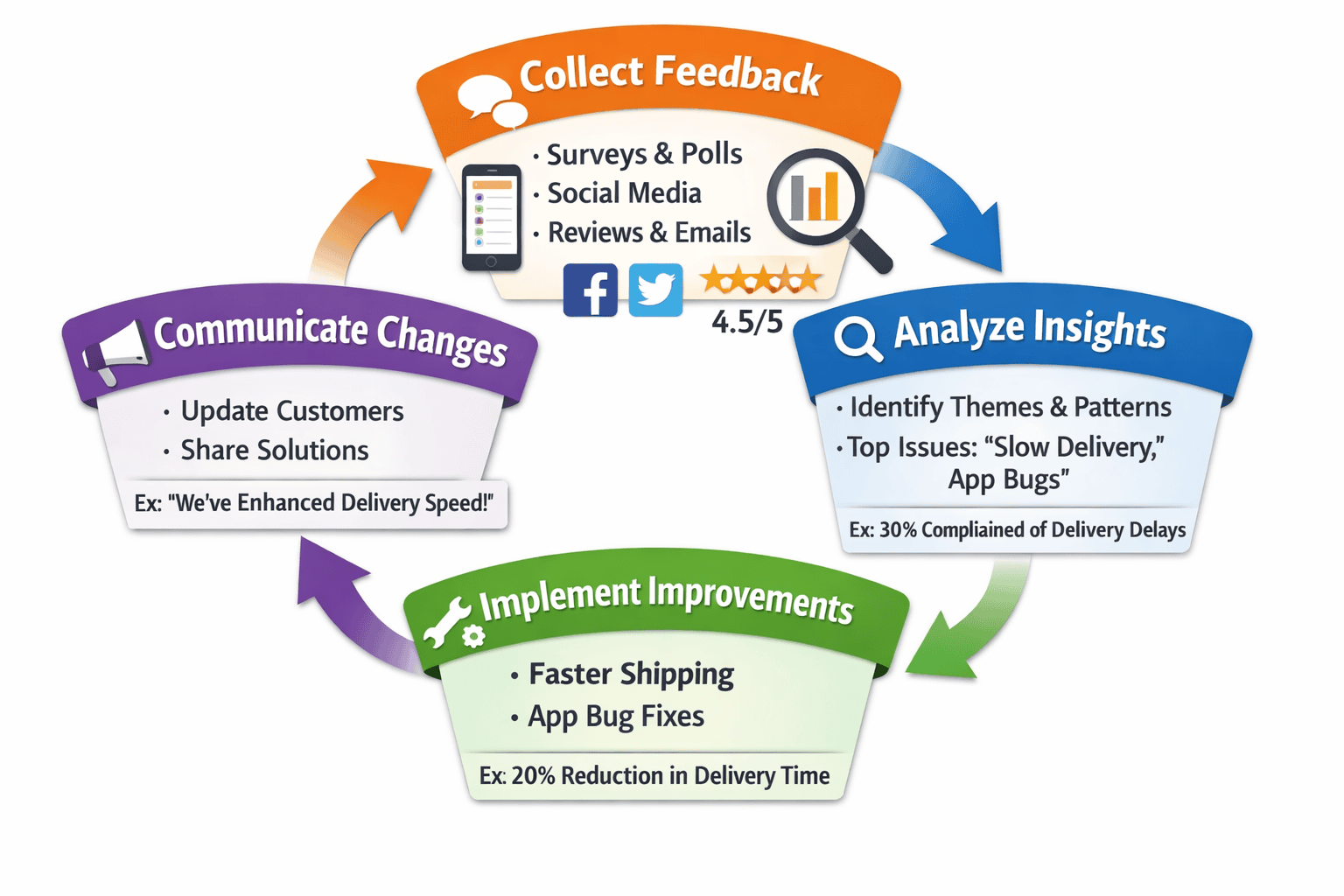
While proactivity is imperative, equally important is listening to customer voices. Customer feedback offers invaluable insights guiding brand evolution and helping resonate better with audiences. Here are ways effectively incorporating feedback:
- Establish Feedback Channels:
- Create multiple customer feedback avenues: surveys, product reviews, and direct social media engagement. Easier feedback sharing means more input you’ll receive.
- Analyze Customer Feedback Regularly:
- Set schedules for feedback analysis identifying common themes or recurring issues. Perhaps customers want more eco-friendly products or longer return windows. Use these insights informing product development, customer service, or marketing.
- Act on Constructive Criticism:
- Don’t avoid negative feedback. See it as growth opportunities. If customers express dissatisfaction with specific products, address issues promptly and transparently, communicating changes you’re making.
- Engage Customers in Improvements:
- Involve customers in improvement processes. Run polls asking input on new product designs or features. This ensures offerings align with customer desires while fostering community and brand loyalty sense.
- Communicate Changes:
- When implementing feedback-based changes, communicate improvements back to audiences. This shows value for input and commitment meeting needs.
Adapting and evolving brand awareness strategies is essential for long-term success. By staying relevant in changing markets and incorporating customer feedback, you effectively navigate consumer preference and industry dynamic complexities. Embrace change, listen actively, and continue enhancing audience connections for ongoing growth and success. Your audience will appreciate efforts, and results will reflect in strengthened brand presence and loyalty.