Introduction: Why Tracking Matters More Than Ever
If you run ads on Facebook or Google, you’re probably using pixels to track when someone buys, signs up, or takes action on your site. But here’s the problem: pixels are becoming less reliable. Ad blockers, privacy settings, and browser restrictions are making traditional tracking increasingly unreliable.
That’s where Conversions API (CAPI) comes in. It’s a better way to track customer actions by sending data directly from your server instead of relying on browser-based tracking. In this guide, you’ll learn what it is, how it works, and why it matters in 2026.
What Is Conversions API?
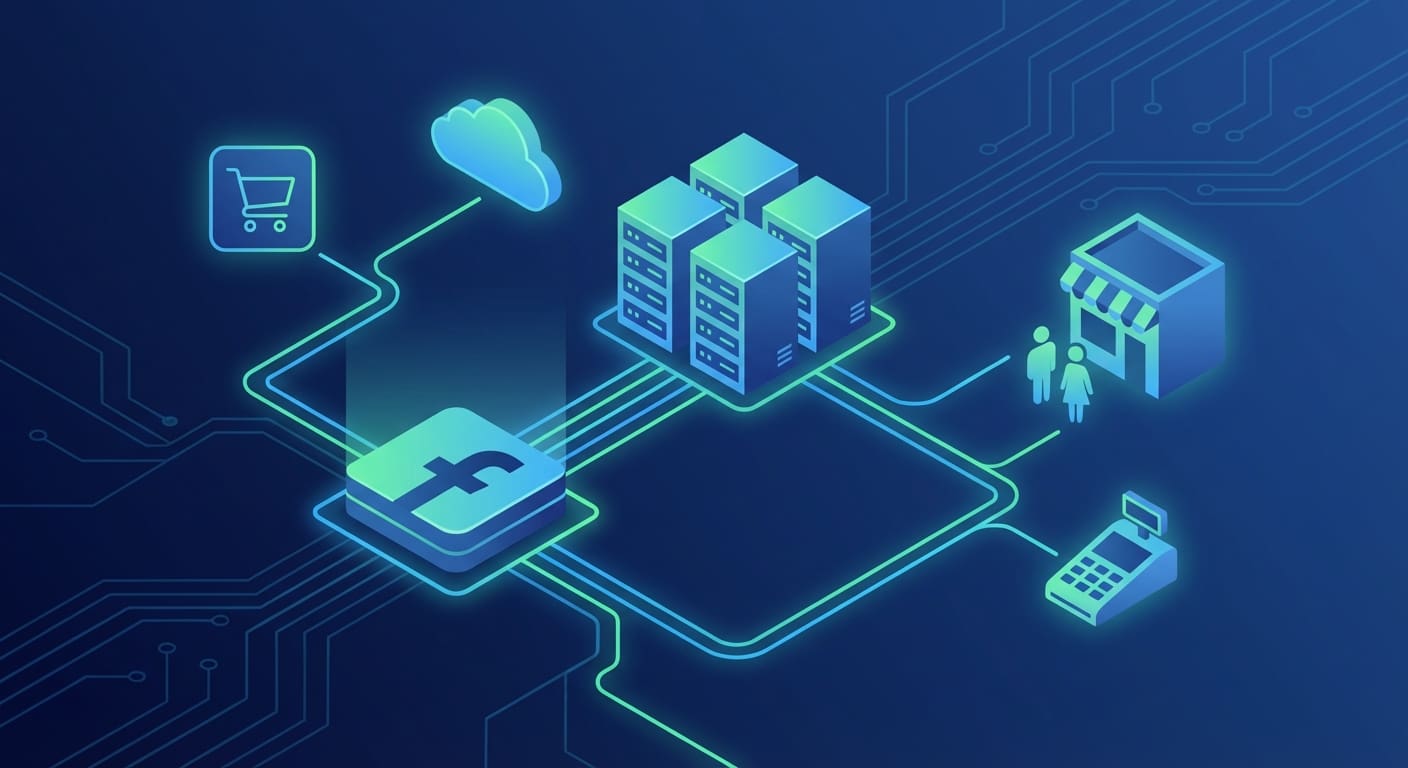
Conversions API (CAPI) is a server-to-server tool that lets you send customer events directly from your website’s server to advertising platforms like Facebook and Google. Instead of relying on pixels that track users in their browser, CAPI transmits data directly through a secure connection between your server and the ad platform.
Think of it this way: A pixel is like a security camera that watches what happens on your website. But if a visitor has privacy settings enabled, it’s like they’re wearing sunglasses—the camera can’t see them clearly. CAPI works differently. Instead of watching the visitor, you tell the ad platform directly: “This person just bought something.” This way, privacy settings don’t matter.
This fundamental shift from browser-based to server-based tracking provides more reliable data, better compliance with privacy laws, and clearer insights into customer behavior.
Why It Matters in 2026
Privacy has become the biggest challenge for digital marketers. More browsers are blocking cookies. iOS made it harder to track users. And stricter laws like GDPR and CCPA are forcing companies to be more careful about data.
Conversions API solves these problems by:
- Bypassing browser limitations: Works regardless of ad blockers, cookie settings, or privacy extensions—your data gets through
- Ensuring accurate data: Server-to-server transmission means your most important customer actions are never lost
- Enabling offline tracking: Track customers who buy in-store, call your business, or visit your location—not just online actions
- Supporting privacy laws: Easier to implement GDPR and CCPA compliance because you control the data transmission
Key Benefits of Conversions API
1. Better Tracking Accuracy
The Problem: Traditional pixels miss conversions. If a customer has privacy settings enabled or uses an ad blocker, the pixel can’t see what they did.
The Solution: CAPI captures these conversions because it works on your server, not in the browser. You’ll see all your conversions, not just the ones the pixel catches.
- Zero data loss: Every important customer action is captured and sent directly to the ad platform
- Real confirmation: You get confirmation that your data was successfully received, so you know tracking is working
- More complete picture: See which customers truly convert, not just estimates
2. Better Ad Targeting
The Problem: Without accurate data, you can’t show ads to the right people.
The Solution: CAPI gives you accurate data about who converts, so you can show ads to similar customers.
- Show ads to the right audience: If you know that 25-year-old women who buy red shoes convert best, you can target similar women
- Retarget smarter: Show ads to people who looked at a product but didn’t buy
- Build better customer lists: Create audiences based on real actions, not guesses
3. Build Custom Audiences
Use detailed customer data to create highly targeted ad campaigns:
- Segment by behavior: Create separate audiences for people who browsed, added to cart, or purchased
- Personalize your messaging: Show different ads to different audience segments
- Target specific niches: Show ads for expensive products only to people who have bought expensive products before
How Conversions API Works
The Basic Process (4 Simple Steps)
Here’s what happens when a customer converts:
- Customer takes action: Someone buys a product, signs up, or fills out a form on your website
- Your server collects data: Your website’s backend records what happened (what they bought, how much they spent, their email address)
- Data is sent securely: Your server sends this information directly to Facebook, Google, or another ad platform using an encrypted connection
- Confirmation received: The ad platform confirms it received the data, so you know tracking is working
Key difference from pixels: With pixels, the user’s browser sends the data. With CAPI, your server sends it. Your server is more reliable.
What Data Should You Send?
Standard Events to Track:
- Purchase – Someone bought something
- Add to Cart – Someone added a product to their cart
- Initiate Checkout – Someone started the purchase process
- Lead – Someone signed up or filled out a form
- Contact – Someone called or messaged you
- View Content – Someone viewed a specific product
Details to Include With Each Event:
- Event name: What happened (e.g., “Purchase”)
- Value: How much money (e.g., $99.99)
- Currency: Which currency (e.g., USD, EUR)
- Product ID: Which product (e.g., SKU number)
- Customer ID: Who it was (usually hashed email for privacy)
Real Example: When someone buys running shoes on your site, you send: “Purchase event, $89.99 USD, Product ID: SHOES-RED-SIZE10, Customer: [email protected]”
Integrating Conversions API: Where to Start
For Facebook/Meta Ads
If you advertise on Facebook or Instagram, follow these steps:
- Go to Facebook Business Manager and find the “Events Manager”
- Create an API token (think of this as a password for your server to talk to Facebook)
- Use Facebook’s Event Setup Tool to define which events you want to track
- Have a developer implement the code on your server (it usually takes a few hours to a few days)
- Test it using Facebook’s Event Testing Tool to make sure it’s working
- Monitor your data flow to ensure everything continues working
For Google Ads
If you use Google Ads, the process is similar:
- Connect Google Ads to Google Tag Manager
- Create “conversion actions” in Google Ads (define what counts as a conversion)
- Access the Google Ads API documentation
- Have a developer set up the server code
- Test with real conversions to verify it’s working
- Monitor and optimize based on your results
Important: Use Both Pixels AND CAPI
Many businesses wonder: “Should I replace pixels with CAPI or use both?” The answer is: use both. They work together. Pixels catch some conversions, CAPI catches others. Together, they give you the most complete picture.
CAPI vs. Pixels: Understanding the Difference
How Pixels Work (Browser-Based)
What it is: A small piece of code that runs in a visitor’s browser and watches their behavior
The good: Easy to set up, works quickly, simple for beginners
The bad:
- Ad blockers can prevent it from working
- Browser privacy settings limit what it can see
- iOS users are harder to track after Apple’s privacy changes
- Safari and Firefox have privacy modes that block it
- Data loss happens when users have “Do Not Track” enabled
How CAPI Works (Server-Based)
What it is: Your server tells the ad platform directly about customer actions, no browser needed
The good:
- Works regardless of user privacy settings
- Ad blockers can’t stop it
- More reliable and consistent data
- You can include offline events (store visits, phone calls)
The bad:
- More complex to set up (needs developer)
- Requires API tokens and security setup
- Takes more initial work to implement
Real-World Comparison
Scenario: An iOS user with privacy settings enabled visits your site and buys something.
- Pixel tracking: The pixel can’t track this conversion because of privacy settings. Your data shows 0 conversions when actually 1 happened.
- CAPI: Your server captures the purchase and sends it to Facebook/Google. Your data is accurate.
Privacy & Security: Doing It Right
GDPR Compliance (Europe)
If you have European customers, you must:
- Ask for permission before collecting data (not after)
- Explain clearly how you’ll use their data
- Let users access, correct, or delete their data
- Keep records of who gave permission and when
CCPA Compliance (California)
If you have California customers, you must:
- Tell them what data you collect
- Let them opt out of data collection
- Honor requests to delete their data
- Not punish them for requesting these rights
Keeping Data Secure
- Always use HTTPS: Ensure your connection is encrypted when sending data
- Use API keys: Protect your API tokens like passwords—never share them
- Hash sensitive info: Convert emails to hashed (scrambled) versions instead of sending them in plain text
- Regular audits: Periodically check your code for security vulnerabilities
Real-World Success Stories
Example 1: Online Fashion Store (FashionHub)
The Challenge: FashionHub was losing conversions because their pixel couldn’t track customers with privacy settings. They were only seeing 60% of actual sales.
The Solution: They implemented Facebook CAPI alongside their pixels.
The Results:
- Tracked 100% of conversions instead of 60%
- Improved their ad targeting because they had more accurate data
- 30% increase in ROAS (return on ad spend) within 3 months
- Better ability to see which products actually drive sales
Example 2: Home Services Company (HomeFix)
The Challenge: HomeFix gets leads both online and by phone. They couldn’t track phone leads in their ad system, so they didn’t know which ads were working.
The Solution: They set up Google CAPI to send all conversions (online forms AND phone calls) to Google Ads.
The Results:
- Tracked all conversions (online + phone)
- Google could optimize ads based on real, complete data
- 40% increase in qualified leads in 4 months
- Lower customer acquisition cost (CPA) because Google targeted better
What’s Next: 2026 and Beyond
What’s Changing in 2026
- CAPI becoming standard: More companies will use CAPI because pixels are less reliable. It’s no longer optional—it’s expected.
- AI and machine learning: Ad platforms are getting smarter at optimizing based on CAPI data. Your ad campaigns will work better automatically.
- More platforms supporting CAPI: Not just Facebook and Google. TikTok, LinkedIn, and others are adding CAPI support.
- Privacy-first marketing winning: Companies that respect customer privacy and implement CAPI properly will have a competitive advantage.
Quick Implementation Checklist
Before You Start:
- [ ] Decide which events you want to track (purchase, lead, signup, etc.)
- [ ] Plan what data you’ll send for each event
- [ ] Check GDPR and CCPA requirements for your industry
- [ ] Find a developer to help implement
During Implementation:
- [ ] Set up API tokens and access
- [ ] Code the CAPI connection on your server
- [ ] Test thoroughly before going live
- [ ] Verify data is being received by ad platforms
After Launch:
- [ ] Monitor your data daily for errors
- [ ] Compare CAPI data to pixel data to validate accuracy
- [ ] Optimize your event definitions based on results
- [ ] Keep improving based on what you learn
Final Thoughts
Conversions API is no longer optional for serious businesses. As privacy becomes stricter and browsers continue blocking tracking, CAPI is becoming essential.
The good news: CAPI isn’t complicated once you understand what it does. It’s simply a better, more reliable way to tell ad platforms about customer actions. Start with one platform (Facebook or Google), get comfortable, then expand.
If you run ads and want to truly understand what’s working (and what’s not), Conversions API needs to be part of your strategy in 2026.